Protein is not a trend, a supplement fad, or something reserved for athletes—it is a biological necessity. At the cellular level, protein drives growth, repair, and survival. If you want a body that performs better, recovers faster, and stays resilient over time, prioritizing protein intake is one of the smartest decisions you can make.
Protein: The Foundation of Human Biology
Every cell in your body relies on protein. Amino acids—the building blocks of protein—are required to synthesize enzymes, hormones, neurotransmitters, and structural tissues. Without adequate protein, these processes slow down, compromising metabolism, immunity, and physical performance.
Science is clear: protein is not optional. It is fundamental.
Muscle Growth, Strength, and Longevity
Muscle tissue is metabolically active and essential for long-term health. Resistance training stimulates muscle protein breakdown, and dietary protein is what shifts the balance toward muscle protein synthesis. Studies consistently show that sufficient protein intake enhances muscle repair, strength gains, and prevents age-related muscle loss (sarcopenia).
More muscle is not just about aesthetics—it’s about insulin sensitivity, joint stability, and independence as you age.
Protein and Metabolism: A Powerful Advantage
Protein has the highest thermic effect of all macronutrients, meaning your body burns more calories digesting protein than it does processing carbohydrates or fats. This gives protein a unique metabolic advantage.
In addition, protein stabilizes blood sugar levels and reduces hunger hormones while increasing satiety hormones. The result? Better appetite control, fewer cravings, and a body that naturally regulates energy intake.
Fat Loss Without Muscle Loss
One of the biggest mistakes during weight loss is under-consuming protein. When protein intake is low, the body breaks down muscle tissue for energy, slowing metabolism and reducing strength.
Adequate protein preserves lean muscle mass while promoting fat loss. This is why high-protein diets are consistently linked to improved body composition—not just lower scale weight, but healthier weight.
Bone, Joint, and Connective Tissue Health
Protein plays a critical role in maintaining bone mineral density and connective tissue strength. Collagen, tendons, ligaments, and cartilage all rely on amino acids for maintenance and repair. Research shows that individuals with higher protein intake have stronger bones and a reduced risk of fractures, especially when combined with resistance training.
Strength starts from the inside out.
Immune Function and Recovery
Your immune system is built on protein-based structures such as antibodies and signaling molecules. When protein intake is insufficient, immune response weakens, recovery slows, and susceptibility to illness increases.
Protein fuels recovery—not just from workouts, but from stress, injury, and everyday physical demands.
Why Protein Supplements Make Sense
Whole foods should always be the foundation, but modern lifestyles make it difficult to meet optimal protein levels consistently. Protein supplements offer a precise, efficient, and scientifically validated way to close nutritional gaps—especially for active individuals, busy professionals, and those with higher protein demands.
Convenience should never come at the cost of health. Supplements help ensure consistency.
How Much Protein Does Science Recommend?
Evidence-based guidelines suggest:
- General health: ~0.8 g/kg body weight (minimum)
- Active individuals: 1.2–1.6 g/kg
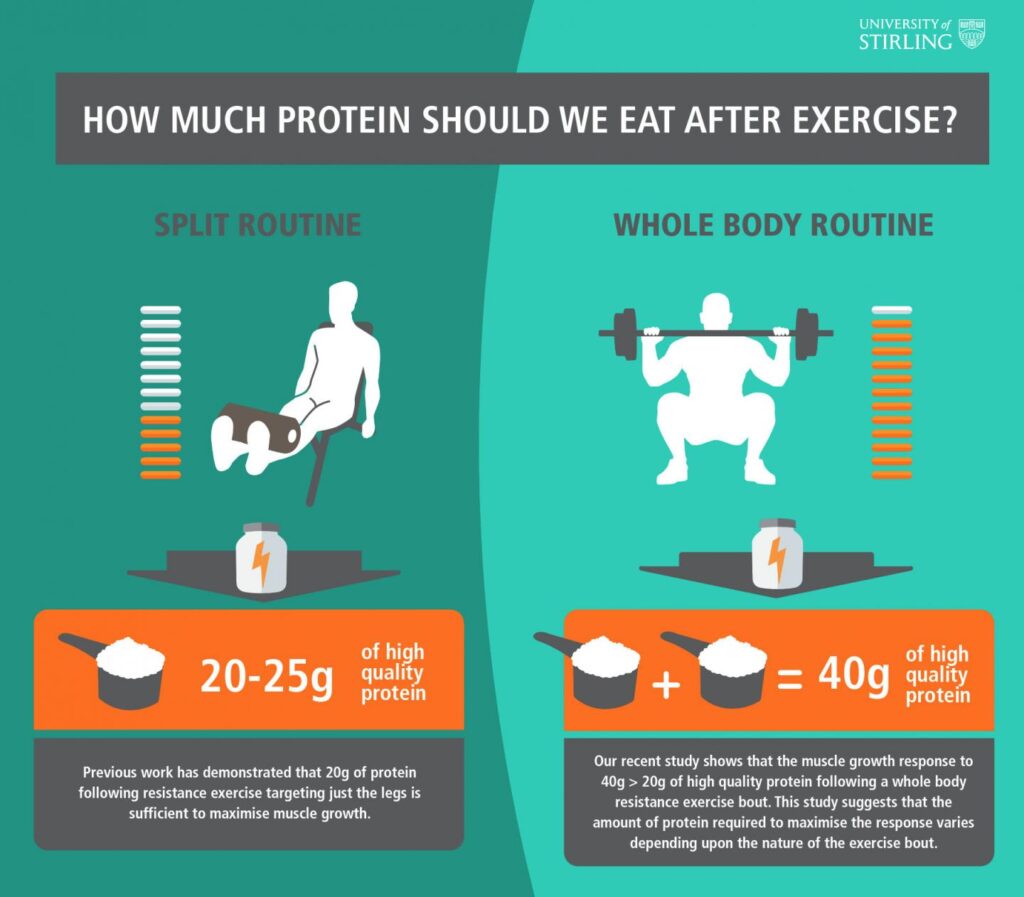
- Strength training or fat loss: 1.6–2.2 g/kg
For optimal results, protein should be evenly distributed across meals to maximize muscle protein synthesis.
Final Takeaway
Protein is not just a nutrient—it is a performance tool, a longevity strategy, and a cornerstone of human health. When you prioritize protein, you’re not just feeding your muscles; you’re supporting your metabolism, protecting your bones, strengthening your immune system, and investing in a stronger future.
Your body is built from protein. Fuel it accordingly.
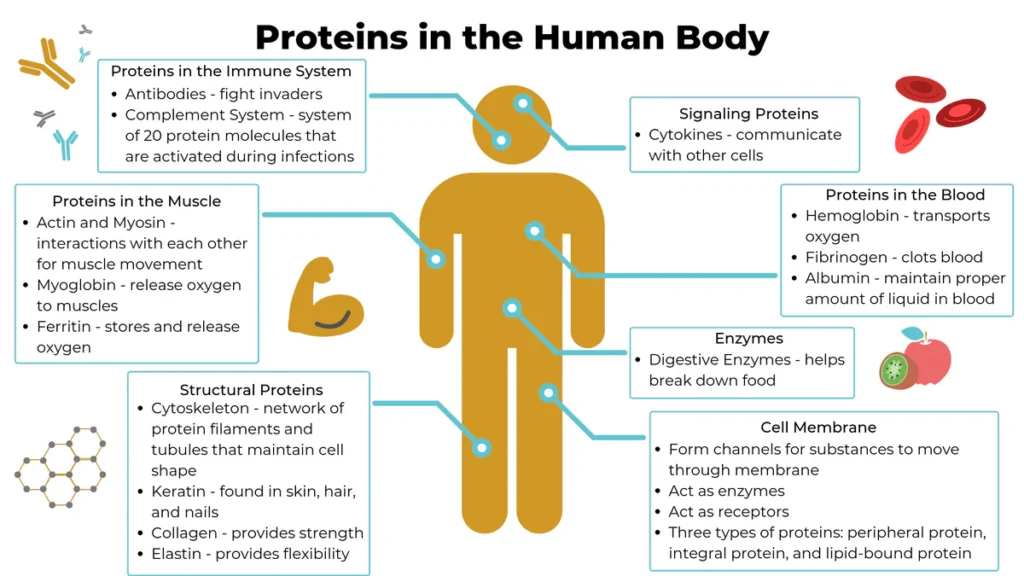
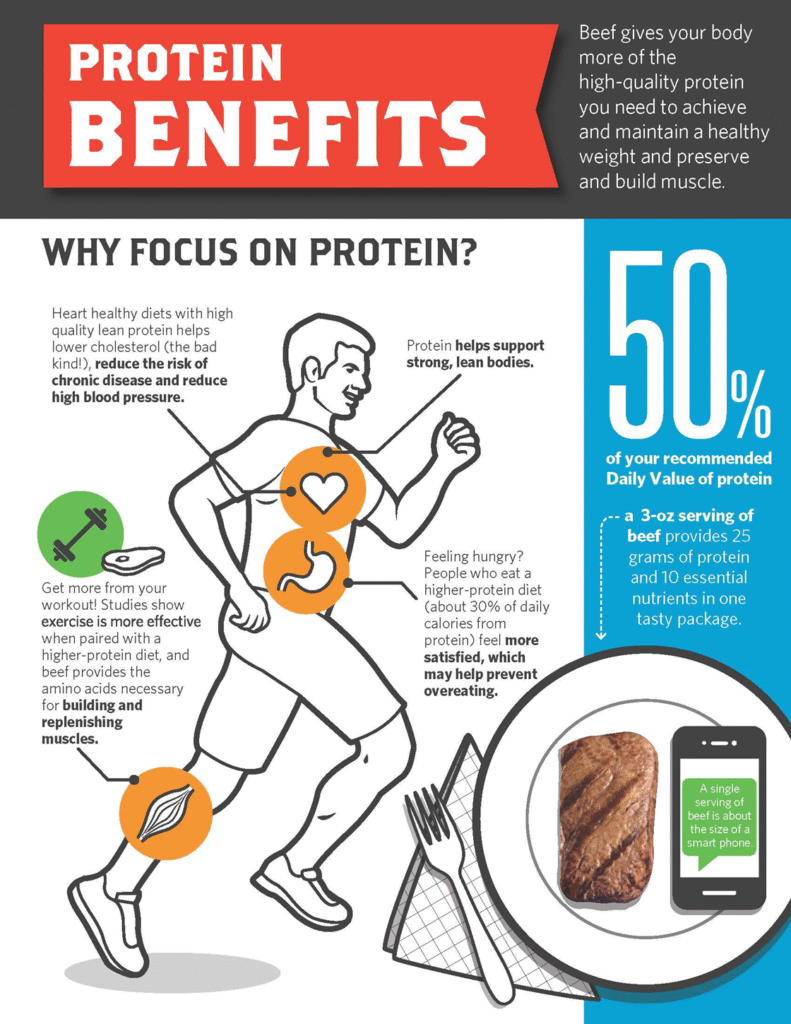
Protein Benefits Infographic — highlights why protein is essential for strength, metabolism, and overall health. Bell Institute
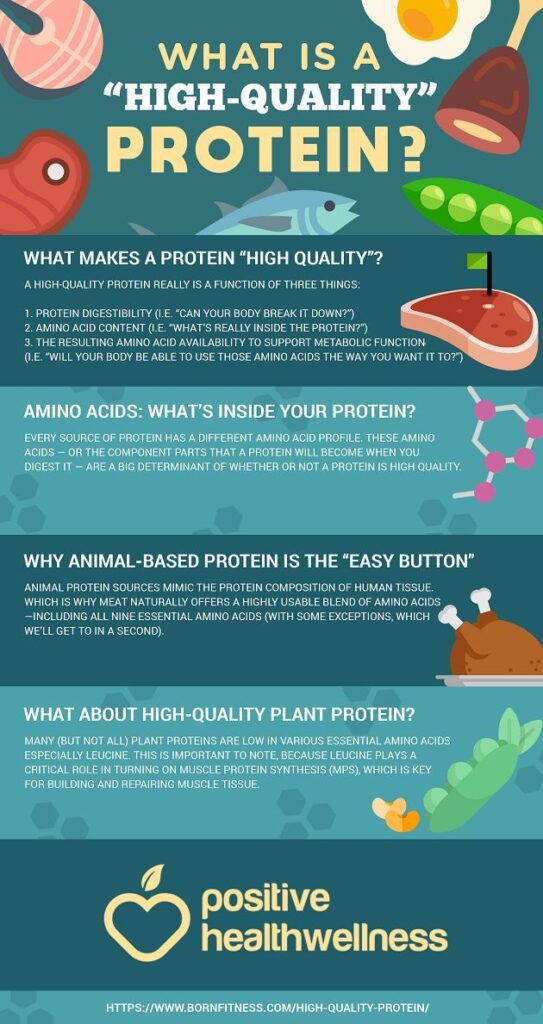
High-Quality Protein Overview — shows what makes a protein “high quality” and why amino acids matter.
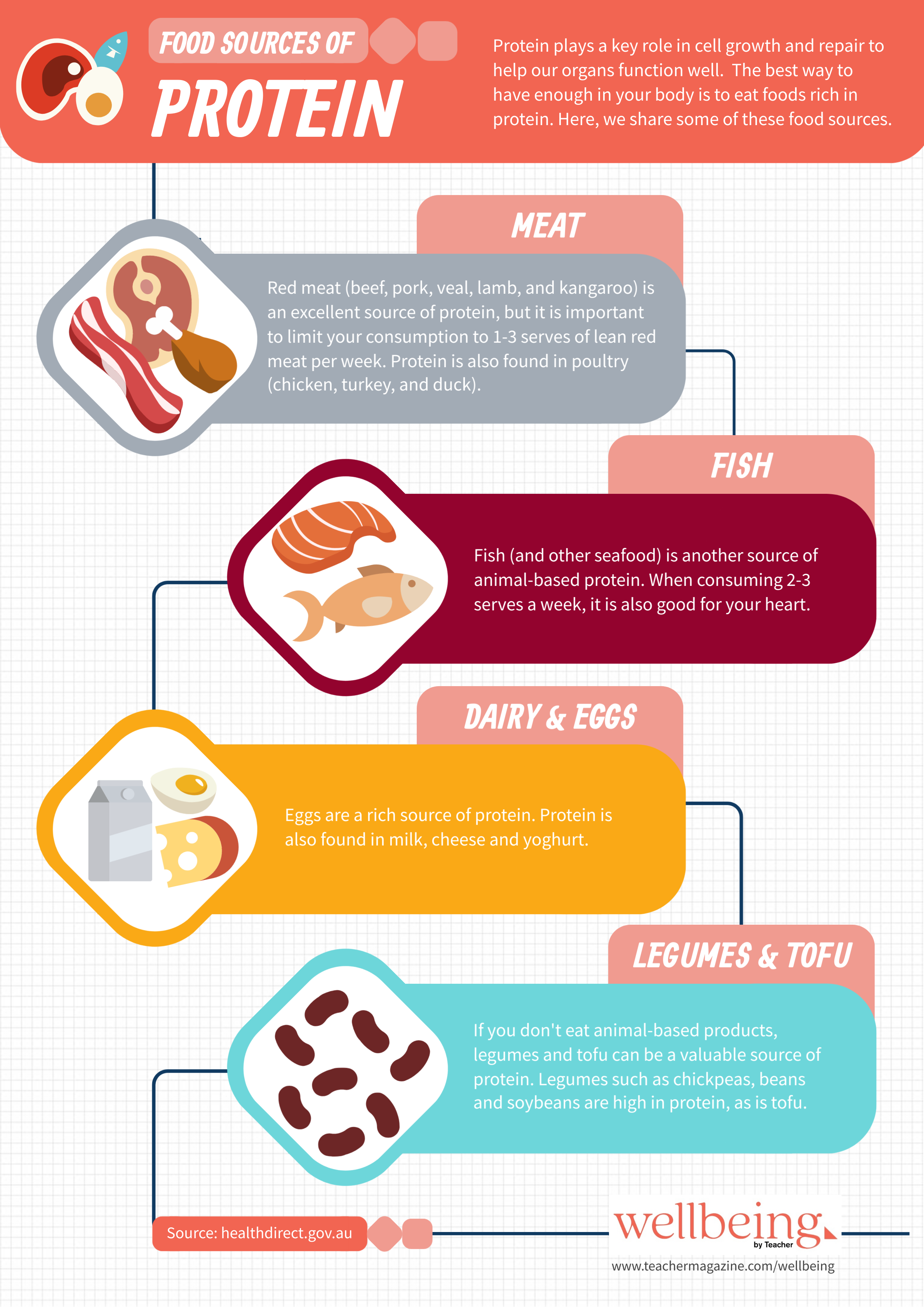
Protein Food Sources Chart — visual list of common high-protein foods like meat, eggs, fish, dairy, legumes, and tofu.
Plant-Based Protein Options — great for vegans and vegetarians to see protein variety from non-animal sources.
Protein Nutrition 101 — classic infographic showing why protein is vital for cells, tissues, and daily body function.
Protein Benefits Breakdown — simple chart about muscle building, recovery, fat loss, and more.
Whey Protein Benefits Visual — useful if you’re discussing supplements too.
Balanced Protein Meal Guide — shows how to combine foods for complete protein intake.


 No products in the cart.